Unveiling India’s Rich Heritage: Top Historical Sites You Must Visit

India, a land of ancient civilizations, diverse cultures, and timeless traditions, boasts a remarkable heritage that spans thousands of years. From grand palaces to ancient temples, India’s historical sites are a testament to the country’s rich past. For history enthusiasts and travelers alike, visiting these monumental landmarks is like stepping back in time. Whether you’re a lover of architecture, culture, or ancient tales, here are the top historical sites in India that should be on your travel list.
1. Taj Mahal, Agra (Uttar Pradesh)
No discussion of India’s historical heritage would be complete without mentioning the Taj Mahal, one of the Seven Wonders of the World. Built by Emperor Shah Jahan in memory of his wife Mumtaz Mahal, this iconic white marble mausoleum symbolizes eternal love. Its intricate carvings, lush gardens, and perfectly symmetrical design make it a masterpiece of Mughal architecture and a must-visit for anyone exploring India’s history and heritage.
2. Qutub Minar, Delhi
Standing at 73 meters, the Qutub Minar is the tallest brick minaret in the world and a UNESCO World Heritage Site. Located in the capital city, Delhi, this towering structure is an architectural marvel and a significant piece of India’s medieval history. Built in 1193 by Qutb-ud-Din Aibak, the Qutub Minar is adorned with intricate carvings and inscriptions in Arabic, offering a glimpse into the rich culture and history of the Delhi Sultanate.
3. Red Fort, Delhi
The Red Fort (Lal Qila) is one of the most iconic monuments in India and an enduring symbol of Mughal power. Built by Emperor Shah Jahan in the 17th century, the fort is made of red sandstone and is a remarkable example of Mughal architecture. The fort served as the main residence of the Mughal emperors for over 200 years, and today, it houses several museums showcasing India’s rich history. It also plays an important role during India’s Independence Day celebrations, where the Prime Minister hoists the national flag.
4. Jaipur City Palace, Rajasthan
The City Palace in Jaipur is a stunning blend of Mughal and Rajput architecture, symbolizing the grandeur of Rajasthan’s royal history. Built by Maharaja Sawai Jai Singh II in the 18th century, the palace complex includes courtyards, gardens, and museums that display royal costumes, weaponry, and art. The palace is an architectural masterpiece, with intricate carvings and beautiful frescoes adorning its walls. Visiting this palace is like stepping into the luxurious life of Rajasthan’s royal past.
5. Hampi, Karnataka
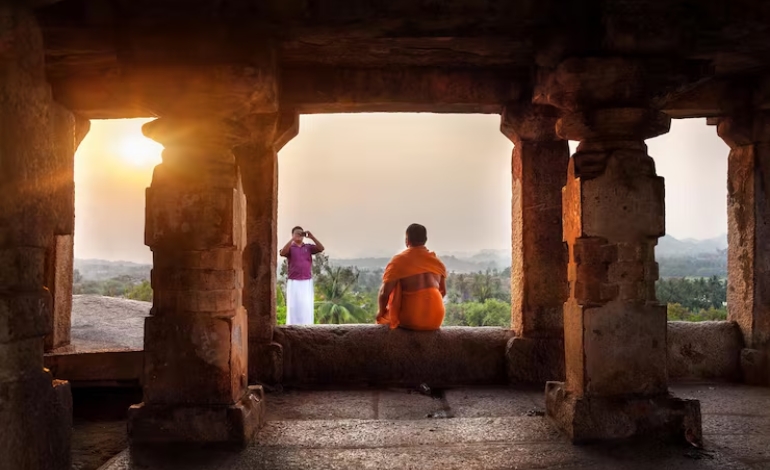
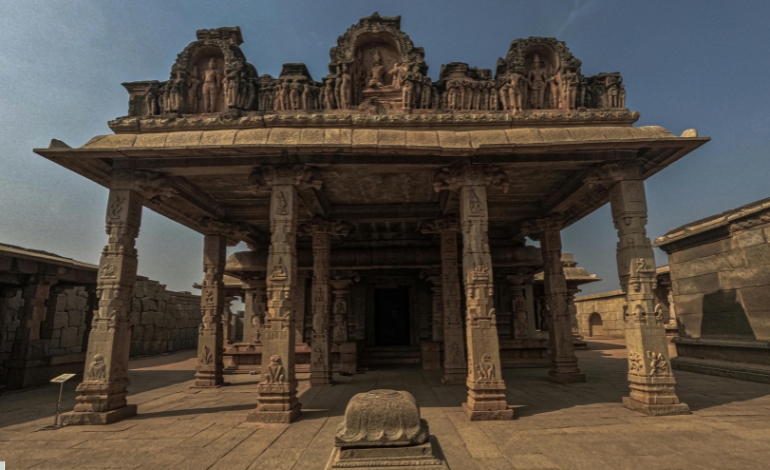
Once the capital of the Vijayanagara Empire, Hampi is now a UNESCO World Heritage Site. The ancient city is home to majestic temples, royal enclosures, and towering boulders that make it a photographer’s paradise. Key sites like the Virupaksha Temple, Vittala Temple, and the iconic Stone Chariot offer insight into the opulence and grandeur of the Vijayanagara Empire. The well-preserved ruins of Hampi provide a glimpse into one of India’s greatest medieval empires and its rich cultural heritage.
6. Ellora Caves, Maharashtra
The Ellora Caves, located near Aurangabad in Maharashtra, are a remarkable group of rock-cut temples and monasteries that date back to the 5th to 10th centuries. The site is famous for its intricate sculptures, paintings, and architectural wonders, particularly the Kailasa Temple, which is carved out of a single monolithic rock. These caves are a testament to India’s rich religious diversity, with temples dedicated to Hinduism, Buddhism, and Jainism all existing in the same complex.
7. Mysore Palace, Karnataka
Known as the “Jewel of Indian Palaces,” Mysore Palace is one of India’s most beautiful royal residences. The palace, located in the heart of Mysore city, was the seat of the Wodeyar dynasty and showcases a unique blend of Indo-Saracenic, Rajput, and Gothic architectural styles. Visitors can explore the grand halls, royal artifacts, and exquisite artwork, and during the Dussehra festival, the palace is lit up with over 100,000 lights, making for a breathtaking sight.
8. Fatehpur Sikri, Uttar Pradesh
Fatehpur Sikri, a UNESCO World Heritage Site, was once the capital of the Mughal Empire under Emperor Akbar. The city is a blend of Persian, Indian, and Mughal architectural styles, and its vast complex includes the Jama Masjid, the Buland Darwaza (the grand gateway), and the Diwan-i-Khas (Hall of Private Audience). Fatehpur Sikri is a fascinating historical site that reflects the grandeur of Akbar’s reign and his vision of cultural harmony.
9. Khajuraho Temples, Madhya Pradesh
The Khajuraho group of temples is famous for its stunning architecture and intricately carved sculptures. Built between 950 and 1050 AD by the Chandela dynasty, these temples are known for their detailed carvings depicting various aspects of life, including gods, animals, and dancers. The temples are a celebration of art, culture, and religion, with some of the sculptures portraying sensuality and the human experience in a way that is both artistic and symbolic.
10. Sanchi Stupa, Madhya Pradesh
The Sanchi Stupa, built in the 3rd century BC by Emperor Ashoka, is one of India’s oldest stone structures and a UNESCO World Heritage Site. It is an important Buddhist site and contains relics of Lord Buddha. The stupa is beautifully adorned with carvings that depict various aspects of Buddha’s life and teachings. It serves as a major pilgrimage destination for Buddhists and offers insight into the early development of Buddhist architecture and art.
Conclusion
India’s rich heritage is not only reflected in its monumental buildings but also in the stories and traditions that have been passed down through generations. From the stunning palaces of Rajasthan to the ancient temples of South India, each historical site tells a story of India’s vibrant past. By visiting these historical landmarks, travelers not only get to experience India’s architectural marvels but also connect with the deep cultural and spiritual essence of the country.