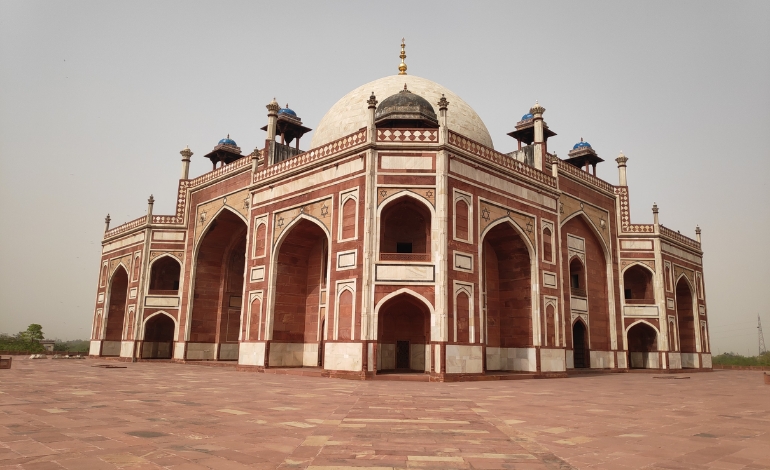
Exploring the Beauty and History of India’s Iconic Mosques

India, a land known for its rich cultural diversity and spiritual depth, is home to a multitude of religious traditions and architectural wonders. Among the country’s most beautiful and historically significant sites are its mosques, which not only showcase exquisite craftsmanship but also serve as symbols of the spiritual heritage of India’s Muslim population. These iconic mosques are not only places of worship but also architectural masterpieces that reflect the country’s blend of cultural influences and historical narratives. In this blog, we will take you on a journey through some of India’s most iconic mosques, exploring their beauty, history, and significance.
1. Jama Masjid – Delhi: The Crown Jewel of Mughal Architecture
The Jama Masjid in Delhi stands as one of the largest and most beautiful mosques in India. Built by Emperor Shah Jahan, the same Mughal ruler who commissioned the Taj Mahal, this mosque is a testament to the grandeur of Mughal architecture.
- History and Significance: Constructed between 1644 and 1658, the Jama Masjid was completed during the reign of Emperor Shah Jahan and is an important symbol of Islamic architecture. It was designed by Ustad Khalil, a prominent architect, and features intricate carvings, expansive courtyards, and grand domes that characterize Mughal-style architecture.
- Beauty and Attractions: The mosque’s structure is made from red sandstone and marble, creating a stunning visual contrast. The mosque has two imposing minarets, each over 40 meters tall, and a large prayer hall with exquisite marble inlays. The courtyard can hold up to 25,000 worshippers during prayers, making it one of the largest mosques in India. Visitors can climb the minarets for a panoramic view of Delhi’s old city.
2. Masjid-i-Jahan-Numa – Agra: The Mosque of the Taj Mahal
Located near the world-renowned Taj Mahal, the Masjid-i-Jahan-Numa (also known as the Taj Mosque) is a stunning example of Mughal-era mosque architecture. This mosque is often less talked about compared to its famous neighbor but holds an important place in Indian architectural history.
- History and Significance: The Masjid-i-Jahan-Numa was built by Emperor Shah Jahan as part of the Taj Mahal complex. It was designed to serve as a place of prayer for the royal family and court officials. The mosque’s red sandstone and white marble construction reflect the intricate details and symmetry that are characteristic of Mughal design.
- Beauty and Attractions: The mosque features beautiful calligraphy and floral motifs in marble, and its minarets align perfectly with the Taj Mahal. The mosque’s simple yet elegant design complements the grandeur of the Taj, making it a peaceful spot for reflection with a view of the Taj Mahal in the background.
3. The Badshahi Mosque – Lahore (Pakistan): A Shared History
While located in Lahore, Pakistan, the Badshahi Mosque is deeply connected to the historical heritage of the Indian subcontinent, especially during the Mughal Empire era.
- History and Significance: Built by Emperor Aurangzeb in 1673, the Badshahi Mosque was once the largest mosque in the world. Its construction symbolized the power and wealth of the Mughal Empire. The mosque stands as a key example of Mughal architecture and represents the spread of Islamic influence across the Indian subcontinent.
- Beauty and Attractions: The Badshahi Mosque is known for its grandiose design, with red sandstone walls, marble inlays, and four towering minarets. Its spacious courtyard and prayer hall are beautifully decorated, and the mosque is a prominent symbol of Islamic architecture, attracting visitors from all over the world.
4. The Jama Masjid – Ahmedabad: A Blend of Hindu and Islamic Architecture
The Jama Masjid in Ahmedabad, Gujarat, is one of the most important and beautiful mosques in India, known for its blend of Hindu and Islamic architectural styles.
- History and Significance: Built in 1423 by Sultan Ahmed Shah, this mosque was constructed on the site of a Hindu temple, reflecting a fusion of both architectural styles. The mosque represents a period of cultural and religious amalgamation, as Islamic rulers adopted and incorporated local architectural styles.
- Beauty and Attractions: The mosque’s design is a blend of Hindu temple-style columns and Islamic arches, creating a unique aesthetic. It is made from yellow sandstone and features intricately carved pillars, arches, and jharokhas (overhanging windows). The prayer hall, with its ornate wooden screen, is one of the finest examples of Indo-Saracenic architecture.
5. The Shah Jahan Mosque – Thatta (Pakistan): An Icon of Islamic Architecture
The Shah Jahan Mosque in Thatta, Pakistan, is one of the finest examples of Mughal architecture in South Asia. Built during the reign of Shah Jahan, this mosque is an architectural gem with its striking beauty and intricate tile work.
- History and Significance: Built in the 17th century, the mosque is known for its grand design and is one of the oldest in Pakistan. The mosque was constructed under the patronage of Shah Jahan, the same emperor who built the Taj Mahal. Its strategic location along the Indus River makes it an important landmark in Islamic architecture.
- Beauty and Attractions: The mosque is famous for its stunning tile work, which features intricate patterns and vibrant colors, particularly in the dome and arches. The mosque is often compared to the Blue Mosque in Istanbul due to its striking blue and turquoise tiles. Its serene courtyard and intricate decoration make it one of the most beautiful mosques in South Asia.
6. The Hazrat Nizamuddin Auliya Dargah – Delhi: A Spiritual and Architectural Landmark
While not a mosque in the traditional sense, the Hazrat Nizamuddin Auliya Dargah in Delhi is one of the most revered spiritual sites in India. It is dedicated to the famous Sufi saint Hazrat Nizamuddin Auliya.
- History and Significance: The Dargah is an important pilgrimage site for Muslims in India and is associated with Sufism, a mystical form of Islam. Hazrat Nizamuddin Auliya’s teachings and his contributions to the spiritual life of India are still revered today. The Dargah complex houses a mosque, a tomb, and a prayer hall, making it a significant site for both spiritual reflection and architectural appreciation.
- Beauty and Attractions: The mosque within the Dargah features elegant Indo-Islamic architecture, with intricate arches, calligraphy, and a tranquil courtyard. The atmosphere at the Dargah is peaceful, with visitors often attending qawwali (Sufi devotional music) performances in the evenings.
Conclusion: The Spiritual and Architectural Wonders of India’s Mosques
India’s mosques are not only religious sites but also architectural masterpieces that tell the story of the country’s rich Islamic history. From the grandeur of the Jama Masjid in Delhi to the historical significance of the Hazrat Nizamuddin Auliya Dargah, these mosques are key to understanding the culture, art, and spirituality of India’s Muslim heritage. Whether you’re interested in the intricate designs of Mughal mosques or the peaceful ambiance of Sufi shrines, exploring India’s mosques offers a unique insight into the country’s diverse religious traditions and architectural brilliance.