The Best Forts to Visit in India: A Guide to Historical Wonders

India is a land of rich history, diverse cultures, and awe-inspiring architecture. One of the most fascinating aspects of the country’s history is its forts—majestic structures that have stood the test of time, telling stories of power, warfare, and royal grandeur. From the grand palaces of Rajasthan to the coastal fortifications of Maharashtra, India’s forts are a glimpse into the country’s strategic and architectural brilliance. Whether you’re a history buff, an architecture enthusiast, or simply a traveler seeking adventure, visiting India’s forts offers a journey through time. Here’s a guide to some of the best forts in India that you must visit.
1. Mehrangarh Fort – Jodhpur, Rajasthan
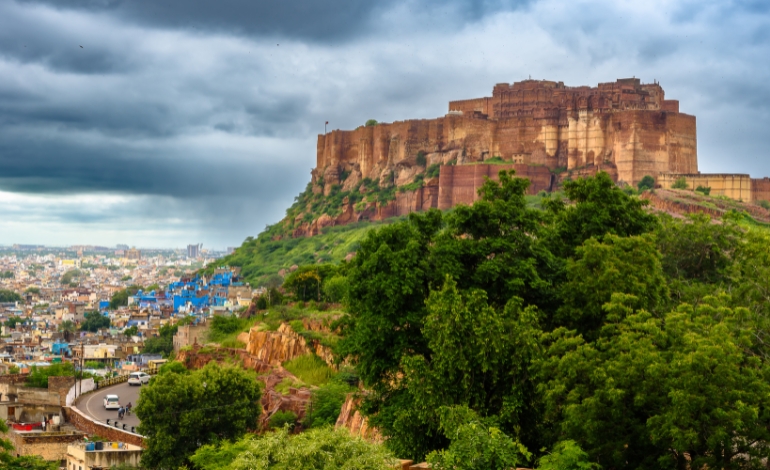
One of India’s largest and most impressive forts, Mehrangarh Fort stands tall on a 150-meter-high hill in the heart of Jodhpur, Rajasthan. The fort is known for its massive walls, intricate carvings, and breathtaking views of the Blue City below.
- History and Significance: Mehrangarh was built in the 15th century by Rao Jodha, the founder of Jodhpur. The fort has a rich history of royal battles, and its massive gates bear the marks of the times. The fort served as the home to the Marwar kings and their royal court for centuries.
- Attractions: The fort is a marvel of architectural ingenuity, with ornate courtyards, beautiful palaces, and a museum that displays artifacts from the royal era. Visitors can explore the Sheesh Mahal (Mirror Palace), Moti Mahal (Pearl Palace), and Phool Mahal (Flower Palace), each showcasing the grandeur of the Marwar dynasty.
2. Amber Fort – Jaipur, Rajasthan
Located just outside Jaipur, the Amber Fort is one of the most popular and architecturally significant forts in India. A stunning fusion of Hindu and Mughal architectural styles, this fort is a UNESCO World Heritage site and one of Rajasthan’s prime tourist attractions.
- History and Significance: Amber Fort was initially built by Raja Man Singh I in the 16th century and later expanded by his successors. The fort served as the residence of the Rajput Maharajas of Amber.
- Attractions: Amber Fort is known for its striking architecture, including the Sheesh Mahal, which is a dazzling hall of mirrors. The fort’s vast courtyards, intricate carvings, and frescoed walls make it a must-visit. Don’t miss the Elephant Ride up the hill to the fort’s entrance for a truly royal experience.
3. Red Fort – Delhi
The Red Fort (Lal Qila) in Delhi is one of the most iconic landmarks in India and a symbol of the Mughal Empire’s grandeur. A UNESCO World Heritage site, it is an architectural marvel with a rich history of India’s struggle for independence.
- History and Significance: Built by Emperor Shah Jahan in the mid-17th century, the Red Fort served as the residence of Mughal emperors for nearly 200 years. It was from here that India’s first Prime Minister, Jawaharlal Nehru, delivered his famous speech on August 15, 1947, announcing India’s independence.
- Attractions: The fort is famous for its massive red sandstone walls, intricate carvings, and beautiful gardens. Inside, you’ll find notable sites like the Diwan-i-Aam (Hall of Public Audience) and Diwan-i-Khas (Hall of Private Audience), which display the grandeur of Mughal architecture.
4. Chittorgarh Fort – Chittorgarh, Rajasthan
Located in Chittorgarh, Rajasthan, the Chittorgarh Fort is the largest fort in India and one of the most impressive examples of Rajput military architecture. It’s a symbol of bravery and sacrifice, especially known for its association with Rani Padmini and the heroic tales of Rajput kings and queens.
- History and Significance: Chittorgarh Fort dates back to the 7th century and has seen numerous sieges, including a famous one by Alauddin Khilji in the 14th century. The fort is a testament to the valor of Rajput kings, with many legends of their defense and ultimate sacrifices to protect the fort from invaders.
- Attractions: The fort features palaces, temples, towers, and gates. The Vijay Stambh (Victory Tower), built by Rana Kumbha, is a prominent attraction and offers panoramic views of the fort and the surrounding landscape. The Rani Padmini Palace and Padmini’s Johar (a place where women committed self-immolation to avoid capture) are poignant symbols of bravery.
5. Gwalior Fort – Gwalior, Madhya Pradesh
Gwalior Fort, located in the heart of Madhya Pradesh, is one of the most historic and architecturally significant forts in India. Perched on a massive hill, the fort offers a stunning view of the city below.
- History and Significance: The fort dates back to the 6th century and has a rich history of military conquests and royal reigns. The fort was initially built by the Tomar dynasty and later expanded by the Mughals. It has witnessed countless battles and political shifts over the centuries.
- Attractions: The fort complex is home to several impressive structures, including the Man Mandir Palace, Gupta Period Temples, and the Saas-Bahu Temples. The fort’s architecture is a blend of Hindu and Mughal styles, with intricate carvings, beautiful murals, and stunning courtyards.
6. Fort Aguada – Goa
Located on the coast of Goa, Fort Aguada is a 17th-century Portuguese fort that once served as a strategic defense point for the Portuguese Empire. It’s a must-visit for history lovers who also want to enjoy the beauty of Goa’s beaches.
- History and Significance: Built by the Portuguese in 1612, Fort Aguada was used to protect Portuguese trade routes and ships from the Dutch and Marathas. The fort’s lighthouse, built in the 19th century, is still in operation today.
- Attractions: The fort offers panoramic views of the Arabian Sea and the surrounding beaches. The well-preserved fortifications, water reservoirs, and the lighthouse make it an ideal place for a peaceful and scenic historical experience.
7. Daulatabad Fort – Aurangabad, Maharashtra
The Daulatabad Fort in Aurangabad is known for its strategic location and its imposing, almost impenetrable walls. The fort is a remarkable example of medieval military architecture.
- History and Significance: Originally known as Deogiri, the fort was the capital of the Yadava dynasty before it was taken over by the Delhi Sultanate in the 14th century. The fort was later renamed Daulatabad by Sultan Muhammad bin Tughlaq.
- Attractions: The fort features an impressive 15th-century defensive structure with intricate designs and strategic features like the Chand Minar and Bailey Gate. The climb to the top of the fort offers an incredible view of the surrounding landscape.
Conclusion: A Glimpse into India’s Majestic Past
India’s forts are more than just architectural wonders; they are the stories of power, sacrifice, and royal grandeur. Each fort has a unique history and significance that reflects the rich cultural heritage of India. From the imposing Mehrangarh Fort in Jodhpur to the coastal charm of Fort Aguada in Goa, these forts serve as reminders of India’s fascinating past. Whether you are an architecture enthusiast, a history lover, or someone who simply enjoys exploring majestic sites, India’s forts are a must-see on any traveler’s list.