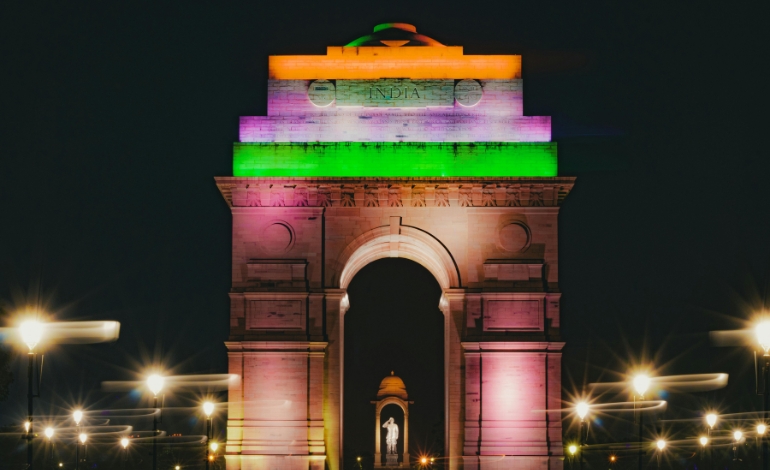
Celebrating India’s National Festivals: A Guide to the Country’s Rich Cultural Heritage

India, a land of diversity, is home to an array of cultures, languages, traditions, and festivals. National festivals in India hold a special place in the hearts of every citizen, serving as a reminder of the country’s rich cultural heritage and the unity that binds its people together. These festivals are not only a celebration of history, but they also reflect the country’s diverse traditions, beliefs, and values. Let’s explore some of the most significant national festivals of India and discover how they are celebrated across the country.
1. Republic Day – January 26: Honoring the Constitution
Republic Day is one of the most important national festivals in India. Celebrated on January 26 every year, it marks the day when the Indian Constitution came into effect in 1950. The main celebrations take place in New Delhi, with a grand parade at Rajpath, where the President of India unfurls the national flag and the armed forces march in a ceremonial procession. The parade showcases India’s military prowess, cultural diversity, and technological advancements, making it a spectacle of patriotism and pride.
2. Independence Day – August 15: Commemorating Freedom
Independence Day is another momentous occasion in India’s history, celebrated on August 15 every year. It marks the day when India gained independence from British rule in 1947. The celebrations begin with the Prime Minister hoisting the national flag at the Red Fort in Delhi, followed by a speech highlighting the nation’s achievements and future aspirations. Across the country, people celebrate with flag-hoisting ceremonies, cultural programs, and patriotic music, reflecting the pride of being a free nation.
3. Gandhi Jayanti – October 2: Paying Tribute to the Father of the Nation
October 2 is celebrated as Gandhi Jayanti, marking the birth anniversary of Mahatma Gandhi, the Father of the Nation. A day dedicated to peace, non-violence, and truth, it is observed across India with various events, including prayer meetings, tribute ceremonies, and discussions on Gandhian values. In New Delhi, the day begins with a ceremony at Raj Ghat, the memorial of Mahatma Gandhi, where leaders and citizens gather to pay homage to his ideals. This day is also recognized as the International Day of Non-Violence.
4. National Youth Day – January 12: Honoring Swami Vivekananda
National Youth Day is celebrated on January 12 every year to honor the birth anniversary of Swami Vivekananda, one of India’s greatest philosophers, spiritual leaders, and social reformers. The day is observed to inspire the youth of India to follow his teachings of self-reliance, nationalism, and spiritual awakening. Schools, colleges, and organizations across the country hold programs and speeches to engage young minds in discussions about Vivekananda’s life and principles.
5. National Republic Day of India – August 15: A Historic Milestone
August 15 is not only Independence Day but also the day to reflect on the country’s achievements as a republic. This dual commemoration gives a broader picture of India’s national pride, as citizens come together to celebrate the freedom struggle, remember the heroes, and acknowledge the challenges the nation has overcome. Cultural events, flag hoisting, and educational programs play a vital role in spreading the spirit of unity and patriotism during this festival.
6. National Integration Day – November 19: Promoting Unity in Diversity
National Integration Day, celebrated on November 19, is an initiative to promote unity and solidarity among India’s diverse states, cultures, and communities. This day encourages citizens to understand the importance of national unity despite India’s regional and cultural differences. Schools, government institutions, and various organizations host activities to spread the message of harmony, inclusion, and oneness. It is a day to reflect on the strength that comes from diversity.
7. National Constitution Day – November 26: Remembering the Constitution Makers
National Constitution Day, celebrated on November 26, marks the adoption of the Indian Constitution in 1949. This day acknowledges the role of the framers of the Constitution and the importance of this foundational document in shaping India’s democratic governance. Various educational institutions hold programs to discuss the Constitution’s significance, and citizens take an oath to uphold its values of justice, liberty, and equality.
Why National Festivals Matter: A Celebration of Unity and Identity
National festivals in India are more than just days off work or school. They are a celebration of the country’s rich history, the struggles of freedom fighters, the country’s achievements, and the values that bind its diverse population together. These festivals foster a sense of belonging, identity, and pride in the nation’s progress and its cultural heritage.
These festivals provide a unique opportunity to reflect on the progress made, honor the lives of the leaders who fought for independence, and express gratitude for the freedoms enjoyed today. The celebrations also serve as a reminder of the country’s unity in diversity, where people of different cultures, languages, and religions come together to celebrate their shared history and values.
Conclusion: A Rich Tapestry of Heritage
India’s national festivals are a testament to the country’s rich cultural and historical heritage. They bring people together, foster patriotism, and create a sense of collective pride. Whether through the grandeur of Republic Day celebrations or the quiet reflection on Gandhi Jayanti, each festival offers a unique opportunity to experience the spirit of unity and strength that defines India. By celebrating these festivals, we not only honor the past but also pave the way for a brighter and more inclusive future.