Exploring India’s Iconic Monuments: A Journey Through Time

India, with its rich cultural and historical heritage, is home to some of the most iconic monuments in the world. These structures not only showcase the architectural brilliance of various periods but also tell stories of India’s glorious past, its rulers, and the civilizations that have shaped the nation. Embark on a journey through time as we explore India’s most celebrated monuments, each holding its unique place in history.
1. The Taj Mahal – Agra, Uttar Pradesh: A Symbol of Eternal Love
The Taj Mahal is undoubtedly one of the most iconic monuments in the world. Built by Mughal Emperor Shah Jahan in memory of his beloved wife, Mumtaz Mahal, this white marble mausoleum is a symbol of eternal love. Its stunning architectural beauty, with intricate carvings, vast gardens, and reflective pools, has earned it a spot as a UNESCO World Heritage Site. A visit to the Taj Mahal is a once-in-a-lifetime experience that offers a glimpse into the grandeur of Mughal architecture.
2. Qutub Minar – Delhi: A Monumental Triumph of Afghan Architecture
Standing tall in the heart of Delhi, the Qutub Minar is the tallest brick minaret in the world and a remarkable example of Indo-Islamic Afghan architecture. Built in the 12th century by Qutb-ud-din Aibak, it reaches a height of 72.5 meters and features intricate carvings, verses from the Quran, and inscriptions. It symbolizes the victory of the Delhi Sultanate and offers an insight into the rich history of Delhi.
3. Red Fort – Delhi: The Seat of Mughal Power
The Red Fort, a UNESCO World Heritage Site, is a monumental symbol of India’s rich Mughal heritage. Built by Emperor Shah Jahan, the fort’s massive red sandstone walls and intricate architecture make it one of the most impressive structures in Delhi. The fort houses several beautiful buildings, including the Diwan-i-Aam, Diwan-i-Khas, and Moti Masjid. As a significant site for India’s independence, the Red Fort is also the location from where the Prime Minister addresses the nation every Independence Day.
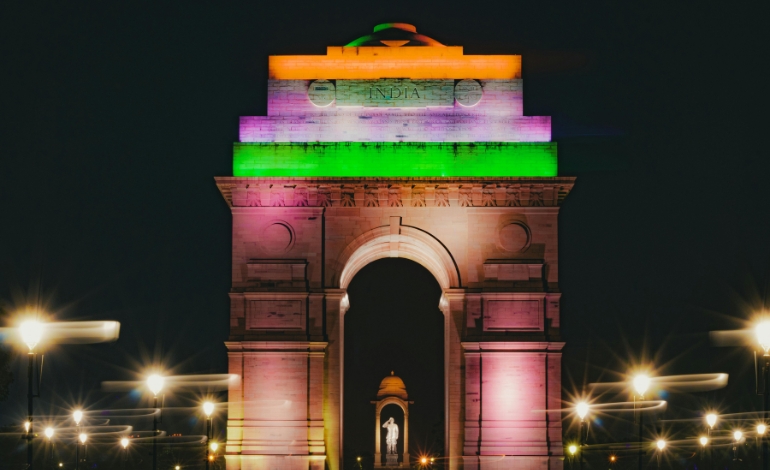
4. India Gate – Delhi: A Tribute to the Fallen Soldiers
The India Gate, located in the heart of Delhi, is a war memorial dedicated to the soldiers who died during World War I. Designed by Sir Edwin Lutyens, it stands as a poignant reminder of India’s sacrifices during the war. The monument, with its majestic arch and the Amar Jawan Jyoti (eternal flame) beneath it, is a significant part of Delhi’s history. The monument’s grandeur and its symbolic importance make it a must-visit landmark in the capital city.
5. Gateway of India – Mumbai: The Majestic Entrance to India
Located in Mumbai, the Gateway of India is an architectural marvel built during the British rule. Completed in 1924, it was the site of the last British troop departure from India in 1948. Standing at 26 meters tall, the monument blends Hindu, Muslim, and Western architectural styles, symbolizing India’s diversity. The Gateway of India is an iconic landmark, and its view from the Arabian Sea is breathtaking, making it one of Mumbai’s most popular tourist attractions.
6. Hampi Ruins – Karnataka: A Glimpse into the Vijayanagar Empire
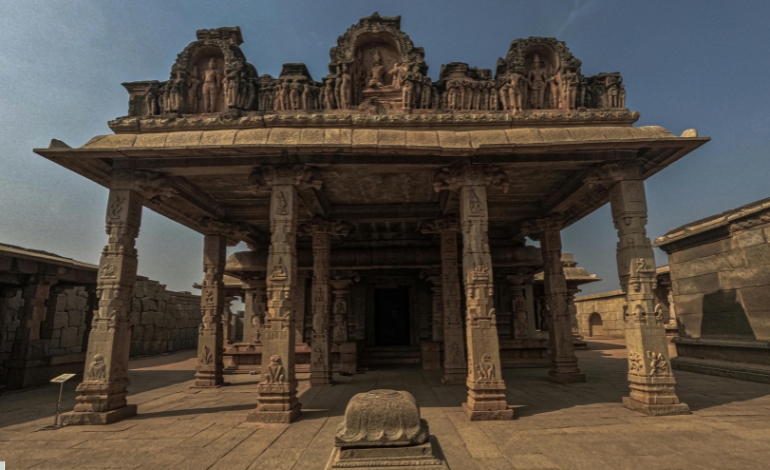
The Hampi Ruins, located in the state of Karnataka, are a UNESCO World Heritage Site that offers a glimpse into the once-thriving Vijayanagar Empire. The ruins are scattered across the town of Hampi and feature a variety of temples, royal pavilions, markets, and the famous Vittala Temple with its musical pillars. The ancient city of Hampi is a captivating site that takes visitors back to an era of opulence and cultural richness.
7. Sanchi Stupa – Madhya Pradesh: A Buddhist Architectural Wonder
The Sanchi Stupa is one of India’s oldest stone structures and a revered pilgrimage site for Buddhists. Located in Madhya Pradesh, the stupa was built by Emperor Ashoka in the 3rd century BCE to house relics of the Buddha. The stupa is adorned with exquisite carvings and sculptures depicting various scenes from the life of the Buddha. As a UNESCO World Heritage Site, the Sanchi Stupa is a significant monument in India’s religious history.
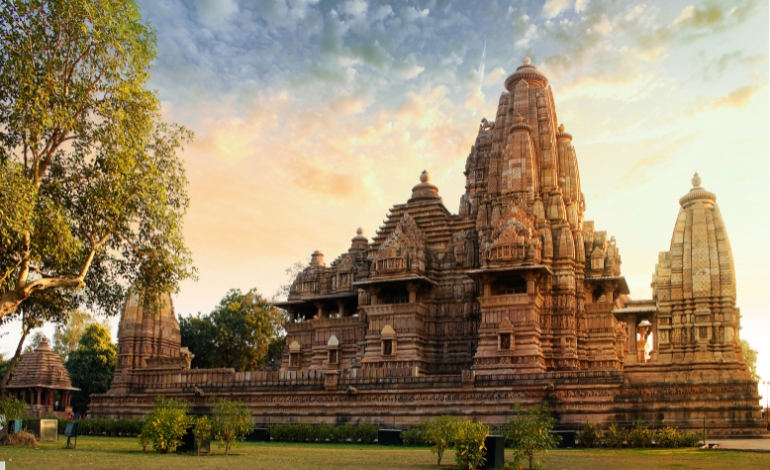
8. Khajuraho Temples – Madhya Pradesh: An Architectural Marvel
The Khajuraho Temples, located in Madhya Pradesh, are famous for their stunning sculptures that showcase intricate artistry and the beauty of Hindu and Jain mythology. Built between the 10th and 12th centuries, the temples are renowned for their erotic sculptures, which represent the celebration of life, love, and spirituality. The Khajuraho Group of Monuments is a UNESCO World Heritage Site, and a visit here offers a deep insight into India’s artistic heritage.
9. Mysore Palace – Mysore, Karnataka: The Splendor of the Wodeyars
The Mysore Palace is a grandiose structure located in the heart of Mysore, Karnataka. The palace, which serves as the residence of the Wodeyar dynasty, is an architectural gem with its intricate carvings, stunning arches, and ornate interiors. The palace’s grandeur is most evident during the Dasara Festival, when it is illuminated with over 96,000 light bulbs, creating a breathtaking view. The Mysore Palace remains one of India’s most admired monuments for its beauty and historical significance.
10. Ajanta and Ellora Caves – Maharashtra: The Ancient Rock-Cut Wonders
The Ajanta and Ellora Caves in Maharashtra are ancient rock-cut cave complexes that feature stunning Buddhist, Hindu, and Jain temples and monasteries. The Ajanta Caves are famous for their elaborate frescoes, while the Ellora Caves are known for the magnificent Kailasa Temple, carved out of a single rock. These caves, dating back to the 2nd century BCE, are a testament to India’s rich cultural and religious heritage.
Conclusion: A Tapestry of India’s Timeless Monuments
India’s iconic monuments serve as windows to its past, preserving the stories of its rulers, civilizations, and cultural evolution. From the grandeur of the Taj Mahal to the intricate carvings of Khajuraho, these monuments offer a tangible connection to the nation’s rich heritage. Exploring these historical landmarks is more than just visiting a site; it is a journey through time that offers insight into the incredible legacy of India.