Best Time to Visit India: Weather, Festivals, and Travel Tips

India is a land of diverse landscapes, cultures, and traditions. With such variation across the country, choosing the best time to visit can be tricky. The weather, festivals, and local experiences vary significantly from region to region, making India a year-round destination for travelers. Whether you’re looking for a cultural experience, a beach vacation, or an adventure in the mountains, India offers something for every season. Here’s a guide to help you pick the best time to visit India, with a focus on weather patterns, key festivals, and essential travel tips.
1. The Best Time to Visit India: Seasons Breakdown
India experiences three main seasons—summer, monsoon, and winter—and the best time to visit largely depends on the region and type of experience you’re seeking.
- Winter (October to March): The winter months are generally considered the best time to visit India. The weather is cool and pleasant across most parts of the country, making it ideal for sightseeing and outdoor activities. The temperatures are more comfortable, especially in popular destinations like Rajasthan, Agra, Delhi, and Kerala. You can expect clear skies, pleasant temperatures, and a lack of humidity, perfect for exploring India’s historical landmarks and vibrant cities.
- Summer (April to June): The summer months in India can be quite intense, with temperatures soaring, especially in the northern plains and desert regions. However, summer can be the best time to visit the cooler hill stations and mountainous areas like Shimla, Manali, and Leh-Ladakh. If you’re looking for beach destinations, places like Goa or Kerala’s backwaters offer a refreshing break from the heat, though they can be crowded during this time.
- Monsoon (June to September): While the monsoon season brings lush greenery and rejuvenates the land, it can also bring heavy rainfall, which can affect travel plans. It’s not the most ideal time for outdoor sightseeing or exploring cities. However, for nature lovers and those seeking tranquility, monsoon can be a great time to visit destinations like Goa, Kerala, and the Western Ghats for lush landscapes and fewer crowds. It’s also an excellent time for off-season deals on accommodations and flights.
2. Festivals in India: When to Visit for a Cultural Experience
India’s national and regional festivals are an integral part of the country’s cultural fabric. If you’re looking to experience the vibrancy and energy of India’s festivals, timing your visit around one of these celebrations can make your trip even more memorable.
- Diwali (October-November): One of the most significant festivals in India, Diwali (the Festival of Lights) is celebrated with fireworks, lamp-lit streets, and grand feasts across the country. The best time to visit for this experience is during the last quarter of the year. Major cities like Delhi, Jaipur, and Varanasi are known for their extravagant Diwali celebrations, filled with family gatherings, rituals, and cultural performances.
- Holi (March): Holi, the Festival of Colors, is celebrated in spring. The streets come alive with vibrant colors, music, and dance. It’s a wonderful experience for those who want to immerse themselves in a lively and joyful celebration. The best places to experience Holi are Mathura, Vrindavan, and Jaipur, where the festivities are grand, and the atmosphere is electric.
- Durga Puja (September-October): Celebrated predominantly in West Bengal, Durga Puja is a 10-day festival honoring Goddess Durga. If you plan to visit during this time, Kolkata is the best place to witness the grandeur of the pandals (temporary temples), traditional dances, and processions. This festival offers a deep dive into the cultural richness of India’s religious traditions.
- Onam (August-September): Onam is the harvest festival celebrated in Kerala. It’s marked by traditional dances, boat races, elaborate feasts, and floral decorations. Visiting Kerala during Onam offers a unique insight into the state’s cultural and culinary heritage.
3. Regional Considerations: Best Times to Visit Different Parts of India
India is a vast country with varying weather patterns across its regions, so the best time to visit can also depend on where you’re planning to go:
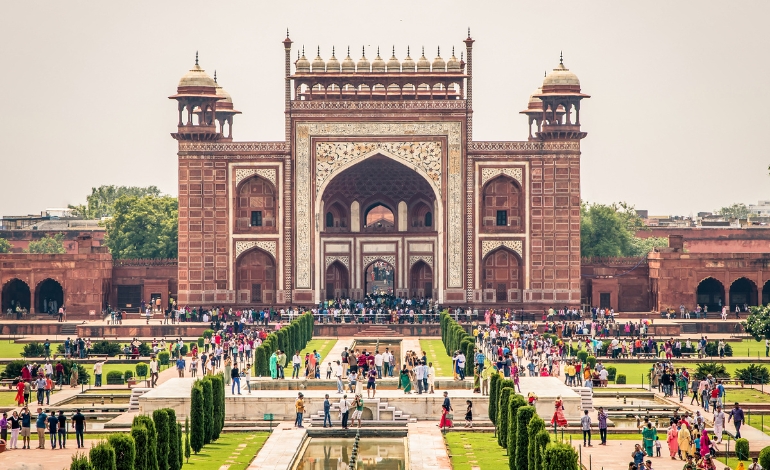
- Northern India: Cities like Delhi, Agra, Jaipur, and Varanasi experience hot summers, so the winter months (October to March) are ideal. The weather is cooler, perfect for sightseeing, and you can witness popular festivals like Diwali and Holi.
- Southern India: Kerala, Tamil Nadu, and Karnataka enjoy a more tropical climate, with Kerala being popular year-round. However, the cooler months from October to March are the most comfortable for exploring the beaches, backwaters, and hill stations. The summer months (April-June) can get quite humid in southern India.
- Goa and Coastal Regions: Goa is a popular beach destination that is perfect to visit during the winter months (November to March) when the weather is pleasant and ideal for water sports, beach lounging, and exploring the vibrant culture. Goa’s carnival celebrations, typically held in February or March, are a great cultural experience.
- Hill Stations and Mountains: If you’re heading to places like Manali, Shimla, Darjeeling, or Leh-Ladakh, the best time is during the summer months (April to June) when the weather is pleasant for hiking and sightseeing. In contrast, winter (December-February) is perfect for skiing and snow sports, especially in the Himalayan regions.
4. Travel Tips for Visiting India
- Book in Advance: Festivals, peak seasons, and holidays can make accommodations and transportation expensive and difficult to secure. It’s always a good idea to plan and book your trips well in advance, especially during Diwali, Holi, and the Christmas-New Year period.
- Pack According to the Season: India’s weather can change drastically depending on the region and time of year. Make sure to pack accordingly – light cotton clothes for the hot summer, warm clothing for the winter, and waterproof gear if you’re traveling during the monsoon.
- Hydrate and Protect from the Sun: India can get extremely hot, particularly during the summer months. Carry a reusable water bottle, wear sunscreen, and don’t forget a hat or sunglasses to protect yourself from the harsh sun.
- Respect Local Traditions: Festivals are an important part of India’s culture, and participating in them is a great way to immerse yourself in the country’s vibrant traditions. However, always be respectful of local customs, especially during religious festivals.
Conclusion: A Year-Round Destination
India offers a unique travel experience no matter the season. Whether you’re visiting to witness its colorful festivals, exploring its rich cultural heritage, or seeking natural beauty in its varied landscapes, the country’s diversity makes it a year-round destination. Consider the weather, festival schedules, and your personal travel preferences when planning your visit to ensure a memorable and enriching experience.